


Oranges in Pregnancy: Benefits and Recommended Amounts for Expectant Mothers
This article was written with the support of Artificial Intelligence. During pregnancy, even a familiar fruit can raise questions. For example, are oranges safe for pregnant women and their babies? Is it better to eat them whole or drink the juice? And how many can you eat? The answer starts with a simple rule: oranges…
Tenuta Donna Fina
10/11/2026

This article was written with the support of Artificial Intelligence.
During pregnancy, even a familiar fruit can raise questions. For example, are oranges safe for pregnant women and their babies? Is it better to eat them whole or drink the juice? And how many can you eat? The answer starts with a simple rule: oranges can certainly be part of a varied diet, but the right amount and form also depend on your personal situation. Here is everything you need to know about oranges in pregnancy, their benefits and the recommended amount for expectant mothers.
Can you eat oranges during pregnancy?
Yes, in general you can eat oranges during pregnancy. The whole fruit provides water, fibre and nutrients, including vitamin C and folate, according to the values for fresh oranges published by CREA, Italy’s Council for Agricultural Research. In addition, the Italian hospital group Humanitas describes blood oranges as a source of fibre, vitamin C, folate and other micronutrients. In this respect, oranges are an excellent ally for health, for pregnant women too.
As with any food, this does not mean that oranges should be seen as a cure. Eating oranges during pregnancy can contribute to a varied diet, but it does not replace the supplements prescribed by your doctor, including folic acid, or your gynaecologist’s advice.
The benefits oranges can offer during pregnancy
To understand the possible benefits of oranges during pregnancy, it is best to look at the nutrients the fruit can provide, one by one.
Vitamin C and iron absorption
Vitamin C contributes to the normal function of the immune system and can help the body absorb the iron found in plant foods when they are eaten in the same meal.
An orange can therefore accompany pulses, leafy greens or grains to help you absorb their nutrients better. However, it is important to remember that it does not cure anaemia and does not replace the tests or treatment prescribed by your doctor.
Fibre and hydration
Whole oranges contain fibre and water, which are excellent for our bodies and therefore for pregnant women too. As part of a balanced diet, they can contribute to your daily intake of both, while freshly squeezed juice generally contains less, since part of the fibre stays in the pulp that is separated from the juice.
Folate: a useful contribution for pregnant women
Citrus fruits can contribute to your intake of folate, but the amount found in oranges should not be used on its own to work out your needs during pregnancy. The folic acid prescribed before conception and in the early stages of pregnancy has a specific role and should be taken as directed by your doctor and gynaecologist.

How many oranges can you eat during pregnancy?
There is no universal amount of oranges that applies to every pregnant woman. The portion should be considered as part of your total daily fruit intake and in relation to the rest of your diet, your energy needs and your health.
In practice, you can approach it like this:
- include oranges in your daily variety of fruit, without automatically adding them on top of the portions you already have;
- choose the whole fruit when you also want the fibre;
- reduce the amount or ask your doctor for advice if you have gestational diabetes, abnormal blood sugar levels, reflux or digestive problems;
- do not use oranges to correct a deficiency or change a treatment.
The Italian Ministry of Health’s guide to the Mediterranean diet highlights the importance of variety, fresh foods and attention to portion sizes in ordinary circumstances. During pregnancy, however, your personal amount should be agreed with your gynaecologist or nutritionist, especially when there are specific needs.
Oranges in pregnancy and toxoplasmosis
The link between oranges in pregnancy and toxoplasmosis often stems from the fear that any fresh fruit could transmit the infection. Oranges are not a specific risk food for toxoplasmosis, but their surface can come into contact with soil or contaminants during harvesting, transport and storage.
As explained by Italy’s National Institute of Health, the Istituto Superiore di Sanità, fresh fruit and vegetables should be washed thoroughly under running water. Wash the orange before peeling or cutting it, even if you do not eat the peel: the knife can transfer residues from the surface to the flesh.
How to wash oranges
To reduce food risks during pregnancy, prepare the fruit with clean hands, a clean knife and a clean work surface. Rinse the orange under running water, rub it gently and dry it before cutting or squeezing it.
Orange juice in pregnancy: yes, but it is not the same as the fruit
Orange juice can be enjoyed during pregnancy with complete peace of mind, preferably freshly squeezed and without added sugar. However, it is not nutritionally identical to the whole orange: some of the fibre is lost during squeezing, and it is easier to drink the juice of several fruits in just a few minutes.
For this reason, whenever possible, alternate juice with the whole fruit and think of juice as part of a meal, not as a drink to sip throughout the day. If you have gestational diabetes or have been advised to monitor your blood sugar, ask the professional who is following you what amount and frequency are compatible with your eating plan.
If you suffer from nausea, acidity or reflux, try not to drink juice on an empty stomach. Here too, individual response is what matters: if oranges cause heartburn or discomfort, stop eating them for a while and seek medical advice.
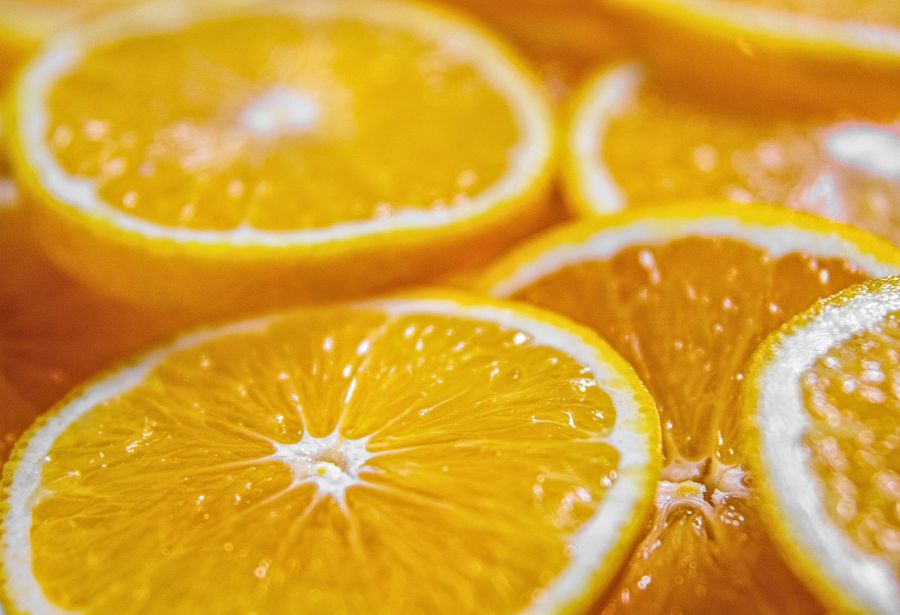
Craving oranges during pregnancy: does it reveal the baby’s sex?
According to some popular beliefs, craving oranges during pregnancy could be a clue to the baby’s sex. However, it is important to point out that this is a food preference rather than a way of telling whether the baby will be a boy or a girl. In fact, there is no scientific basis for linking a craving for citrus fruit to the sex of the unborn child.
What’s more, an expectant mother’s desire for oranges can change depending on taste, habits, nausea, seasonal availability or simply a wish for something fresh and fragrant.
Tenuta Donna Fina’s 100% edible oranges
Tenuta Donna Fina oranges can find a place in your kitchen as whole fruit, fresh juice or a recipe ingredient, always after being washed thoroughly. What’s more, one advantage of our estate’s oranges for expectant mothers is that our citrus fruits have a 100% edible peel, since they are not treated after harvesting.
This means that not only can you eat the whole fruit, peel included, but you can also enjoy oranges with greater peace of mind about your health. On top of that, our produce is harvested on the day of shipping and reaches your table in about 48/72 hours, still fresh and fragrant.
Finally, you can choose from a wide range of oranges and other citrus fruits, depending on the time of year and the season. The choice of variety depends mainly on taste and use: to learn about the differences between Navel, Cara Cara, Tarocco and other oranges, take a look at our guide to orange varieties.
You will find all our products in the Tenuta Donna Fina online shop: discover your favourites and bring the taste of Sicily into your home!
FAQ – Frequently asked questions about oranges in pregnancy
Can you eat oranges during pregnancy?
Yes, in general oranges can be part of a varied and balanced diet during pregnancy. Wash the peel thoroughly before cutting the fruit, choose the whole fruit when you want more fibre, and ask your doctor for advice if you have gestational diabetes, reflux, allergies or other conditions.
Can you drink orange juice during pregnancy?
Yes, if it is freshly squeezed and without added sugar. However, juice contains less fibre than the whole fruit and can concentrate the juice of several oranges. If you have abnormal blood sugar levels, gestational diabetes or personalised nutritional advice, ask your gynaecologist or nutritionist what amount is right for you.
Do oranges help prevent toxoplasmosis during pregnancy?
No. Oranges do not prevent toxoplasmosis. To reduce the risk, it is important to wash fruit and vegetables thoroughly under running water, as well as following all official food safety guidelines and your doctor’s advice.
Does craving oranges during pregnancy mean it’s a boy or a girl?
No. Food cravings cannot predict the baby’s sex. A craving for oranges may depend on taste, habits, the season, nausea or a preference for fresh food, but it has no diagnostic or predictive value.
What is the recommended amount of oranges during pregnancy?
There is no universal amount that applies to everyone. Oranges should be counted as part of your total daily fruit intake and assessed alongside the rest of your diet. If you have gestational diabetes, reflux, allergies or other conditions, the amount should be agreed with the professional who is following your pregnancy.
All flavor, no risks
We believe in the quality of our citrus fruits and avocados, and we stand by them every day. Try them now.
If you’re not completely satisfied with something, contact us via WhatsApp or email us at tenuta@donnafina.it: we’ll respond within 24 hours (or sooner, if we’re not out among our trees) and will immediately issue a refund or send a replacement.

Related posts

The properties and benefits of clementines: What are they good for?

Dreaming of oranges: The Meaning of Citrus Fruits in Dreams
Fuerte Avocado: The Variety with a Delicate, Buttery Flavour
Primo Fiore Lemon: The First Citrus Scent of Winter

Avocado face mask: Real Benefits and Precautions for DIY Treatments

