


Avocado mayonnaise: Vegan, light recipe and variations
Avocado has long been part of everyday cooking, eaten on its own or as an ingredient in all sorts of tasty dishes. Among the recipes you can make with this exotic fruit, avocado mayonnaise is a must. It is a smooth, versatile cream that needs no cooking and can be customised with eggs, yoghurt, lemon…
Tenuta Donna Fina
20/11/2026
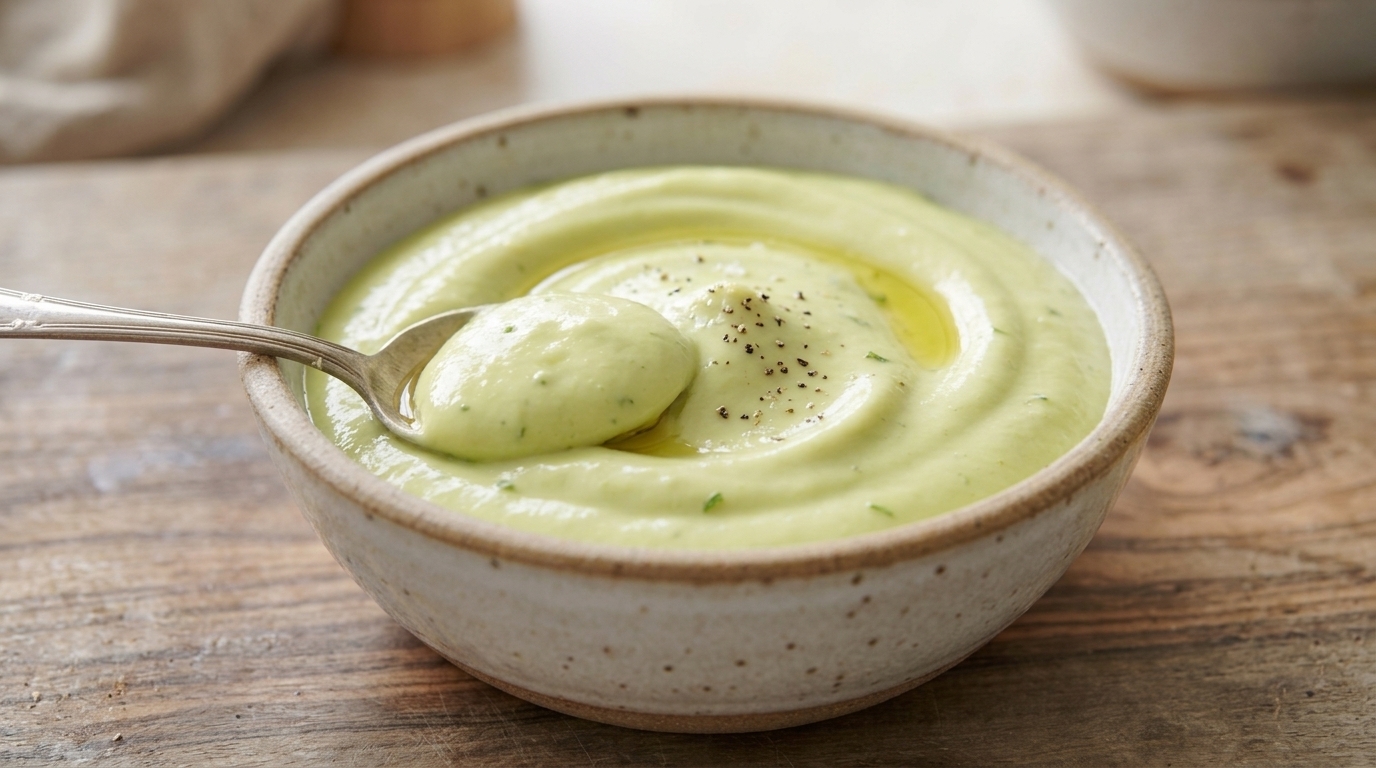
Avocado has long been part of everyday cooking, eaten on its own or as an ingredient in all sorts of tasty dishes. Among the recipes you can make with this exotic fruit, avocado mayonnaise is a must. It is a smooth, versatile cream that needs no cooking and can be customised with eggs, yoghurt, lemon or lime.
In this recipe, avocado turns just a few ingredients into a soft sauce with a bright green colour and a texture you can adjust. Lemon juice adds a fresh, tangy note, while the oil helps to make the cream smoother.
You can serve it with vegetables, crostini, sandwiches, potatoes, cooked fish and prawns, choosing a different thickness depending on what you pair it with. In this article you will find the basic vegan version, a variation that is lighter on the palate and a few ideas for using it in the kitchen.
Avocado mayonnaise: what it is and why you should try it
Avocado mayonnaise is a cold sauce made by blending the flesh of the fruit with lemon juice, oil, salt and, if needed, a little water. Unlike traditional mayonnaise, it does not necessarily require eggs and does not rely solely on an emulsion of egg yolk and oil: it is the ripe avocado that gives the sauce its body and creaminess.
The vegan version is ideal for anyone who wants a sauce with no animal ingredients, while the variations with egg, hard-boiled egg or yoghurt give different textures and flavours. Avocado mayonnaise can be thicker, for spreading on bread and toast, or softer, to go with vegetables, fish and cold dishes.
The result is different from avocado sauce, a separate preparation that can be more runny and has a wider use as a dressing for other dishes.
Which avocado to choose for a smooth cream
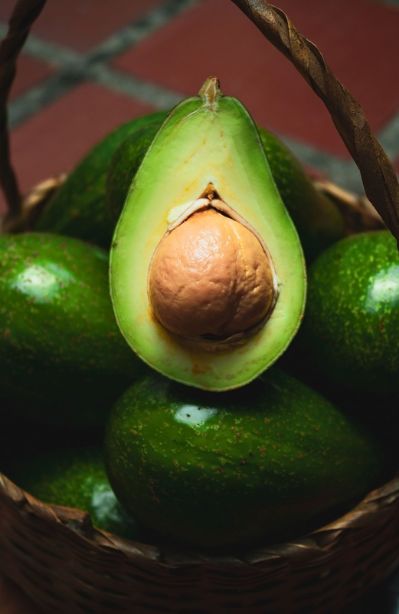
But which fruit should you choose to make the perfect avocado mayonnaise? For a smooth mayonnaise, choose a ripe fruit that is still intact. The flesh should be soft and easy to scoop out with a spoon, without being watery, stringy or marked by lots of dark patches.
An unripe avocado can make the cream grainy and lacking in aroma, while an overripe one may have an off taste, as well as not being safe to eat. If you are unsure about how to choose, prepare and eat avocado properly, we recommend reading our guide on the subject.
For a completely natural recipe, you can use Tenuta Donna Fina’s organic Sicilian avocado varieties, such as the organic Hass avocado and the organic Fuerte avocado. The two varieties can be used almost interchangeably and the choice depends mainly on taste: more buttery with light hazelnut notes for the Hass, more delicate with a grassy aftertaste for the Fuerte.

Vegan avocado mayonnaise: ingredients and quantities
The basic version of this recipe is made without eggs, yoghurt or other animal ingredients. These quantities make about 250 g of cream, enough for several servings as a sauce or for filling sandwiches and toasties.
How to make vegan avocado mayonnaise
- Cut the avocados in half, remove the stone and scoop out the flesh with a spoon;
- Put the flesh in the blender jug and immediately add the lemon juice: it will add acidity and freshness to the mayonnaise, balancing the softness of the avocado and helping to slow down browning when exposed to the air;
- Add the extra virgin olive oil and the salt: this will help make the mixture softer and give it an even texture;
- Blend with a stick blender until you have a smooth, even cream;
- Check the consistency and add the cold water only if the mayonnaise is too thick;
- Blend again for a few seconds, then taste and adjust the salt and lemon juice if necessary.
The cream can be served straight away or transferred to a clean, closed container to keep in the fridge. For a more aromatic version, you can add a little mustard or some fresh herbs, making sure the ingredients are suitable for a vegan recipe.
Avocado mayonnaise with egg
For this variation it is best to use a pasteurised egg yolk, above all because it is added to a recipe that is not cooked.
Ingredients for about 250 g
- 180 g ripe avocado flesh;
- 1 pasteurised egg yolk, about 18 g;
- 20 ml strained lemon juice;
- 30 ml extra virgin olive oil;
- 2 g salt;
- black pepper, optional.
Method
- Scoop out the avocado flesh and put it in the blender jug;
- Add the pasteurised egg yolk, the lemon juice and the salt;
- Blend the ingredients until you have an even cream;
- Pour in the oil in a thin stream while blending, so that it is incorporated gradually;
- Stop blending when the cream looks smooth and firm;
- Taste and adjust the salt or acidity with small amounts of lemon juice.
How to use the egg variation
This version is richer and more structured than the vegan recipe. It can be used to fill sandwiches and toasties, to go with cooked vegetables, cold dishes and potatoes, or served with crostini and canapés as an aperitif.
It also works well in cold salads with grains or pulses, adding creaminess without the need for other dressings. For a good balance, pair it with fresh, crunchy ingredients such as lettuce, cucumber, radishes or grilled vegetables.
Avocado mayonnaise with hard-boiled egg
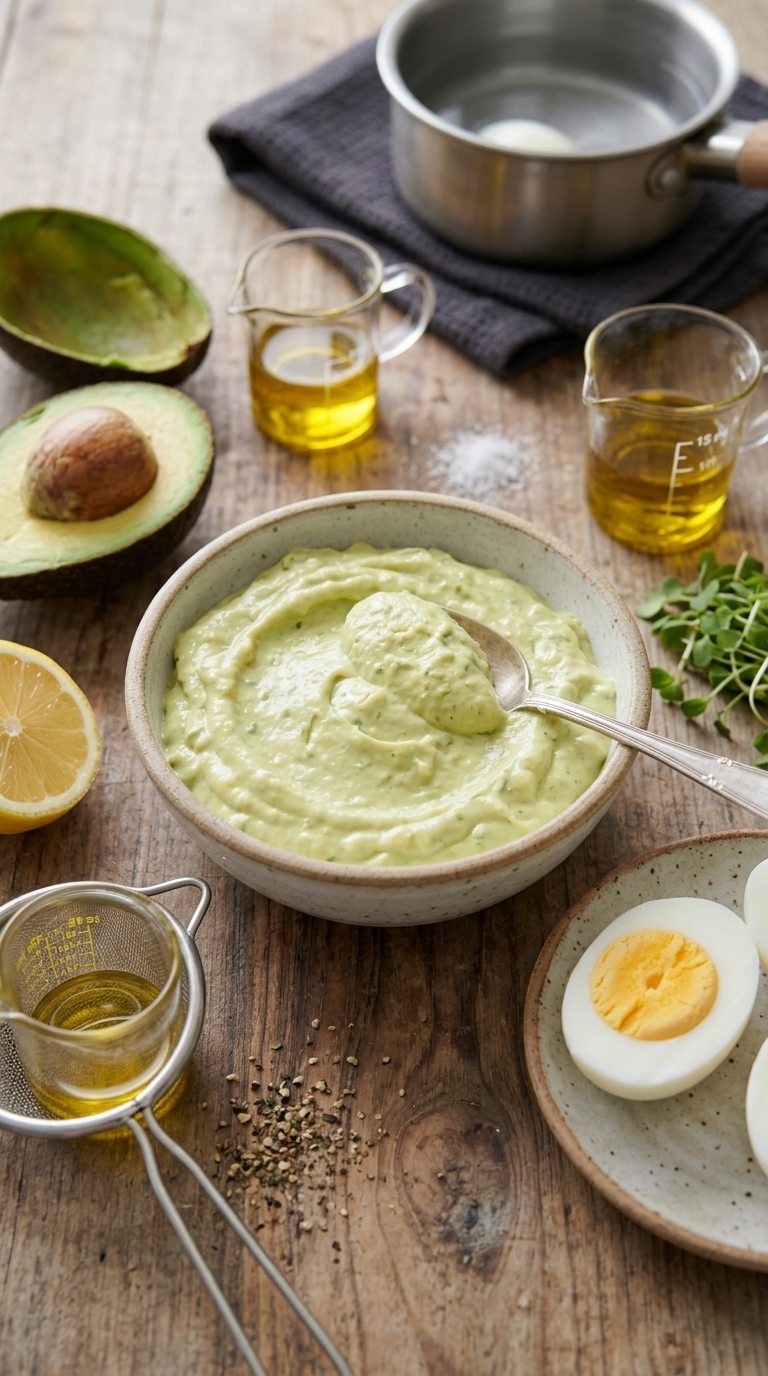
Avocado mayonnaise with hard-boiled egg is a firm, flavourful variation, made with cooked ingredients and especially suited to sandwiches, potato salads, crostini and cold dishes. The hard-boiled egg gives the cream more structure, while the avocado helps to keep it soft and spreadable.
Compared with the version made with pasteurised yolk, this one has a more delicate taste and a slightly fuller texture. The egg must be fully cooked, cooled and peeled before being blended with the avocado flesh, lemon juice, oil and salt.
Ingredients for about 250 g
- 170 g ripe avocado flesh;
- 1 hard-boiled egg, about 50 g peeled;
- 15 ml strained lemon juice;
- 15 ml extra virgin olive oil;
- 2 g salt;
- pepper or herbs, optional.
Method
- Cook the egg until it is completely hard-boiled, then cool and peel it;
- Cut the egg into pieces and put it in the blender jug;
- Add the avocado flesh, the lemon juice, the oil and the salt;
- Blend until you have a firm cream;
- Scrape the mixture down from the sides of the container and blend again briefly;
- If the mayonnaise is too thick, add a teaspoon of cold water and mix it in;
- Taste before adding more salt, as the egg already adds flavour.
The hard-boiled egg makes this preparation firmer than the vegan version. This mayonnaise is ideal for potato salads, sandwiches, crostini and raw vegetables.
Avocado mayonnaise with yoghurt
This variation is not vegan, because it contains yoghurt. For a balanced taste, use plain, natural unsweetened yoghurt.
Ingredients
- 140 g ripe avocado flesh;
- 90 g plain unsweetened yoghurt;
- 15 ml lemon or lime juice;
- 10 ml extra virgin olive oil;
- 2 g salt;
- chives, parsley or dill, optional.
Method
- Put the avocado flesh in the blender jug;
- Add the yoghurt, the lemon or lime juice, the oil and the salt;
- Blend until you have a smooth, even cream;
- Check the consistency and add a little yoghurt if you want a softer sauce;
- If the cream is too runny, add more avocado flesh;
- Finish with the chopped herbs, if using, and stir before serving.
Greek yoghurt gives a thicker cream, while traditional plain yoghurt makes the sauce more runny. This variation goes well with vegetables, cooked fish, potatoes and crostini.
Version with avocado, yoghurt and hard-boiled egg
The version with avocado, yoghurt and hard-boiled egg is a firm but soft cream, ideal if you want something richer than the vegan recipe and more delicate than the variation with egg alone.
The avocado gives it a velvety texture, the yoghurt adds a fresh, slightly tangy note and the hard-boiled egg makes the mayonnaise more structured and flavourful.
Ingredients
- 120 g ripe avocado flesh;
- 1 hard-boiled egg, about 50 g peeled;
- 80 g plain unsweetened yoghurt;
- 10 ml lemon juice;
- 2 g salt;
- pepper or herbs, optional.
Method
- Prepare the hard-boiled egg, then cool and peel it;
- Cut the egg into pieces and put it in the blender jug;
- Add the avocado flesh and the yoghurt;
- Pour in the lemon juice and add the salt;
- Blend until you have a smooth cream;
- Check the consistency and add a little yoghurt if the mixture is too firm;
- Finish with pepper or herbs and keep the cream in the fridge until you are ready to serve it.
The result is a firm but soft cream, ideal for sandwiches, toasties, cold salads, potatoes and raw vegetables.
Light avocado mayonnaise: how to make it lighter
For an avocado mayonnaise that is lighter on the palate, you can reduce the amount of oil and use some plain unsweetened yoghurt to keep the cream soft. Alternatively, you can add a little cold water until you reach the consistency you want.
The term light should be understood in a culinary sense and not as a dietary promise: a recipe with less oil is not automatically low in calories and does not guarantee any effect on weight. To make the recipe lighter, you can:
- gradually reduce the oil, without necessarily leaving it out altogether;
- use plain unsweetened yoghurt in the variation that includes it;
- add a little cold water to make the sauce runnier;
- increase the amount of lemon only in moderation;
- serve small portions, especially if the mayonnaise accompanies other ingredients that are already flavourful or rich.
The yoghurt version can be fresher and softer, while the vegan version with avocado, lemon and a reduced amount of oil keeps a thicker, spreadable texture.
Avocado mayonnaise: pairings in the kitchen
Avocado mayonnaise is a versatile sauce, but its consistency should suit how you use it. A firm cream is better for sandwiches, toasties and crostini, while a slightly runnier one can go with vegetables, cooked fish and prawns.
With raw and grilled vegetables
Avocado mayonnaise goes well with raw vegetables, because its velvety texture creates a contrast with their crunch. You can serve it with carrots, celery, fennel, cucumbers and peppers cut into sticks, using it as a dip.
With grilled vegetables, on the other hand, the cream adds a fresh, soft note that balances the more intense flavour of grilling. Try it with courgettes, aubergines, potatoes and peppers, adding it just before serving so as not to mask the aroma of the vegetables.
With fish and prawns
Avocado mayonnaise can accompany cooked fish, salmon, prawns and other delicately flavoured ingredients. Serve it alongside a fillet of white fish or use it to finish a cold salad with ready-cooked prawns and crunchy vegetables.
With fish, it is best to use the sauce sparingly, so that the acidity of the lemon and the taste of the avocado do not overpower the main ingredient. The mayonnaise should be added after cooking and must not be used as a way of cooking the fish or making it safe to eat.
In sandwiches, toasties and aperitifs
The thicker version can be spread straight onto bread and used to make sandwiches and toasties. You can pair it with lettuce, cucumber, tomato, grilled vegetables, cooked fish or veggie burgers, creating a contrast between the soft cream and the crunchy ingredients.
For an aperitif, serve it in a small bowl with crostini, crackers and raw vegetables. The versions with hard-boiled egg or yoghurt are particularly suited to canapés and fillings, while the vegan one goes well with plant-based dishes and crudités.
Avocado mayonnaise: problems and solutions
As with any recipe, and as with traditional mayonnaise itself, things can always go wrong in the kitchen, and avocado mayonnaise is no exception. Here is how to solve the most common problems that come up when making this recipe.
Why avocado mayonnaise turns dark or tastes bitter
The dark colour is usually due to oxidation of the flesh, which happens when the avocado is exposed to the air. To slow down this process, add the lemon juice straight away, work the flesh quickly and transfer the mayonnaise to a clean, closed container. You can also cover the surface directly with cling film.
A bitter taste may be due to an avocado that is not properly ripe, flesh that has already deteriorated, an oil with too strong a flavour or too much lemon or lime juice. A slightly unbalanced flavour can be corrected with more avocado flesh or a small amount of yoghurt, if suitable for the recipe.
What to do if it is too runny or too thick
If the mayonnaise is too runny, add more avocado flesh and blend again. In the yoghurt variations you can use more Greek yoghurt, which makes the cream firmer. Avoid adding extra nuts or ingredients that are not in the recipe, as you could change the flavour of the sauce.
If it is too thick, on the other hand, add a little cold water, yoghurt or lemon juice, depending on the variation you have chosen. Add the liquid one teaspoon at a time and blend after each addition, so you can stop when you reach the consistency you want.
How to store avocado mayonnaise
Avocado mayonnaise is a fresh preparation and is best eaten straight after making it. If you are not serving it immediately, transfer it to a clean, closed container suitable for food, then put it in the fridge.
To store it properly:
- use clean utensils to serve it;
- do not leave it at room temperature for longer than necessary;
- protect the surface from contact with the air;
- check its smell, colour and texture before eating it;
- take particular care with the versions containing egg and yoghurt.
Lemon juice and oil do not turn mayonnaise into a preserve and do not guarantee a long shelf life. We therefore recommend making only the amount you need for the meal you intend to serve it with. Freezing, on the other hand, is not recommended as a regular method, because avocado, yoghurt and eggs can separate and lose their texture once thawed.
Sicilian avocados from Tenuta Donna Fina
To make a creamy, smooth avocado mayonnaise, it is important to choose a fruit that is perfectly ripe. The flesh should be soft and easy to work with, but not overly mushy or marked by dark patches. This way you can blend it easily and get a smooth cream, perfect for spreading on bread or serving with vegetables, potatoes and cooked fish.
At Tenuta Donna Fina we grow organic Sicilian avocados in varieties such as the organic Hass avocado and the organic Fuerte avocado. The choice depends on availability and ripeness, as well as on the result you want from the recipe. Before blending the fruit, always check that the flesh is intact, fragrant and free from any deterioration.
To finish the mayonnaise you can also use the juice of Sicilian lemons or, if you want a fresher and more aromatic profile, Sicilian lime. Add the citrus juice a little at a time, so you can keep the balance between the acidity and the softness of the avocado.
Discover avocados and citrus fruits in the Tenuta Donna Fina online shop to make your own mayonnaise and bring a simple, fragrant and versatile cream to the table for everyone to enjoy!
FAQ – Frequently asked questions about avocado mayonnaise
How do you make vegan avocado mayonnaise?
To make vegan avocado mayonnaise, blend the flesh of a ripe avocado with lemon juice, extra virgin olive oil, salt and a little cold water if needed. Blend the ingredients until you have a smooth cream, then adjust the consistency and flavour before serving.
Can you make avocado mayonnaise with hard-boiled egg?
Yes, you can make avocado mayonnaise with hard-boiled egg by blending the avocado flesh with a fully cooked and cooled egg, lemon juice, oil and salt. The result is a firm, flavourful cream, ideal for sandwiches, potato salads, crostini and cold dishes.
Which yoghurt should you use for avocado mayonnaise?
For avocado mayonnaise it is best to choose a plain, natural, unsweetened yoghurt. Greek yoghurt makes the cream thicker and firmer, while traditional plain yoghurt gives a runnier consistency. In both cases, check the label and adjust the amount according to the result you want.
How do you store avocado mayonnaise?
Store avocado mayonnaise in the fridge, in a clean, closed container suitable for food. Make it shortly before serving and eat it within a short time, checking its smell, colour and texture.
What can you serve avocado mayonnaise with?
Avocado mayonnaise goes well with raw and grilled vegetables, crostini, sandwiches, toasties and veggie burgers. It also works with potatoes, cooked fish and prawns, adding creaminess and a fresh note. Choose a thicker consistency for spreading and a softer one for using it as a sauce.
All flavor, no risks
We believe in the quality of our citrus fruits and avocados, and we stand by them every day. Try them now.
If you’re not completely satisfied with something, contact us via WhatsApp or email us at tenuta@donnafina.it: we’ll respond within 24 hours (or sooner, if we’re not out among our trees) and will immediately issue a refund or send a replacement.
Related posts

Citrus Biscuits: An Easy Recipe and Variations to Try at Home
Lemon Pesto: A Fragrant Recipe for Pasta

Citrus Bundt Cake: A Light Recipe for Breakfast

Avocado pasta: five creamy and creative variations

Citrus Sauces: Five recipes to accompany your dishes

